
Nomad Journeys: South to Kusini and the edges, again.
We’ve spent a long time moving through northern Tanzania, following the quiet roads and the back ways, the edges of the national parks. It’s a sort of unofficial compass of how we operate: we try and stay away from the crowds, the cars, the choke points where our type of safari, and wilderness, can feel a bit suffocated. We prefer to move outwards to the peripheries and into places where we can do what we do properly.
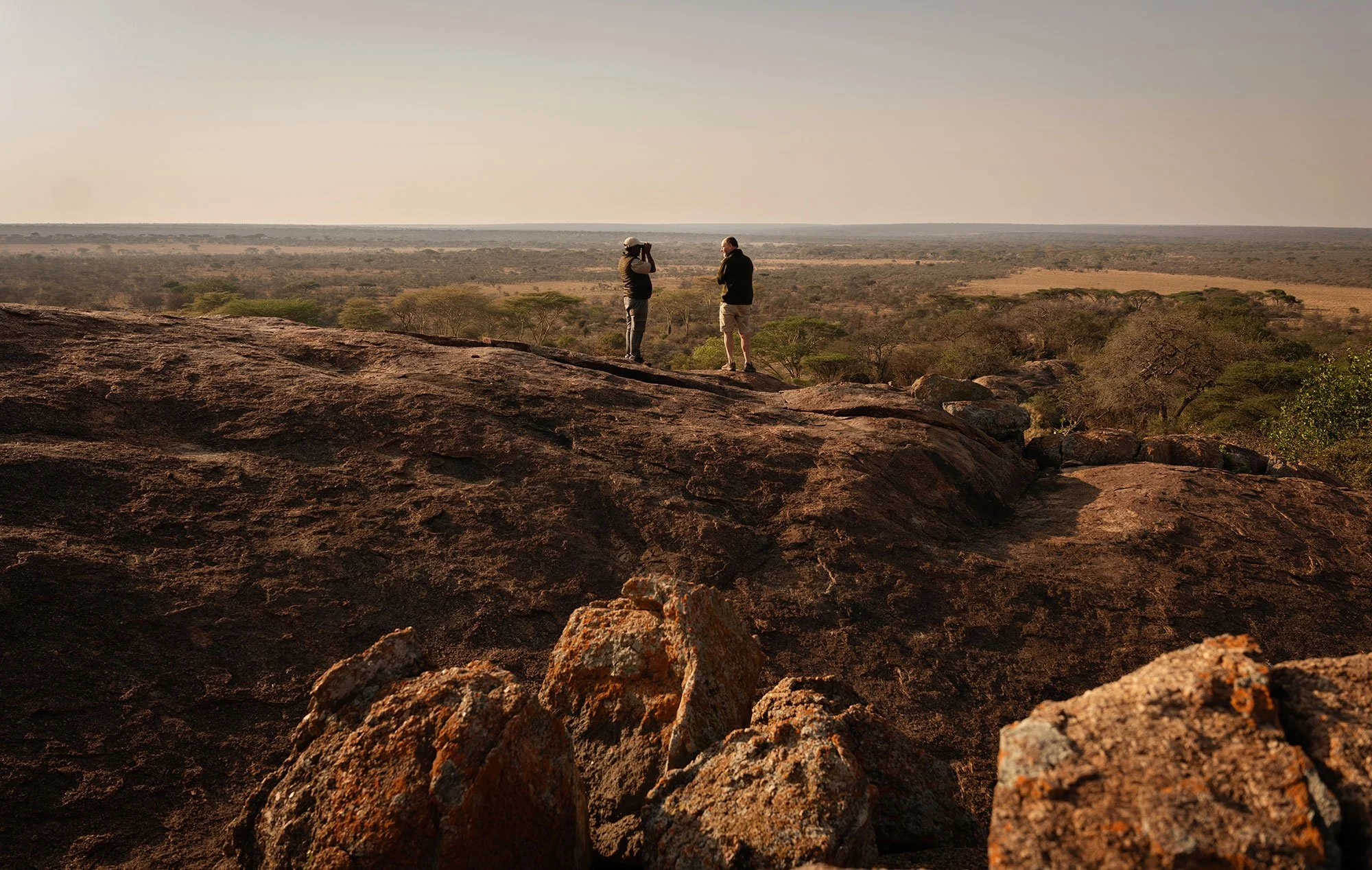
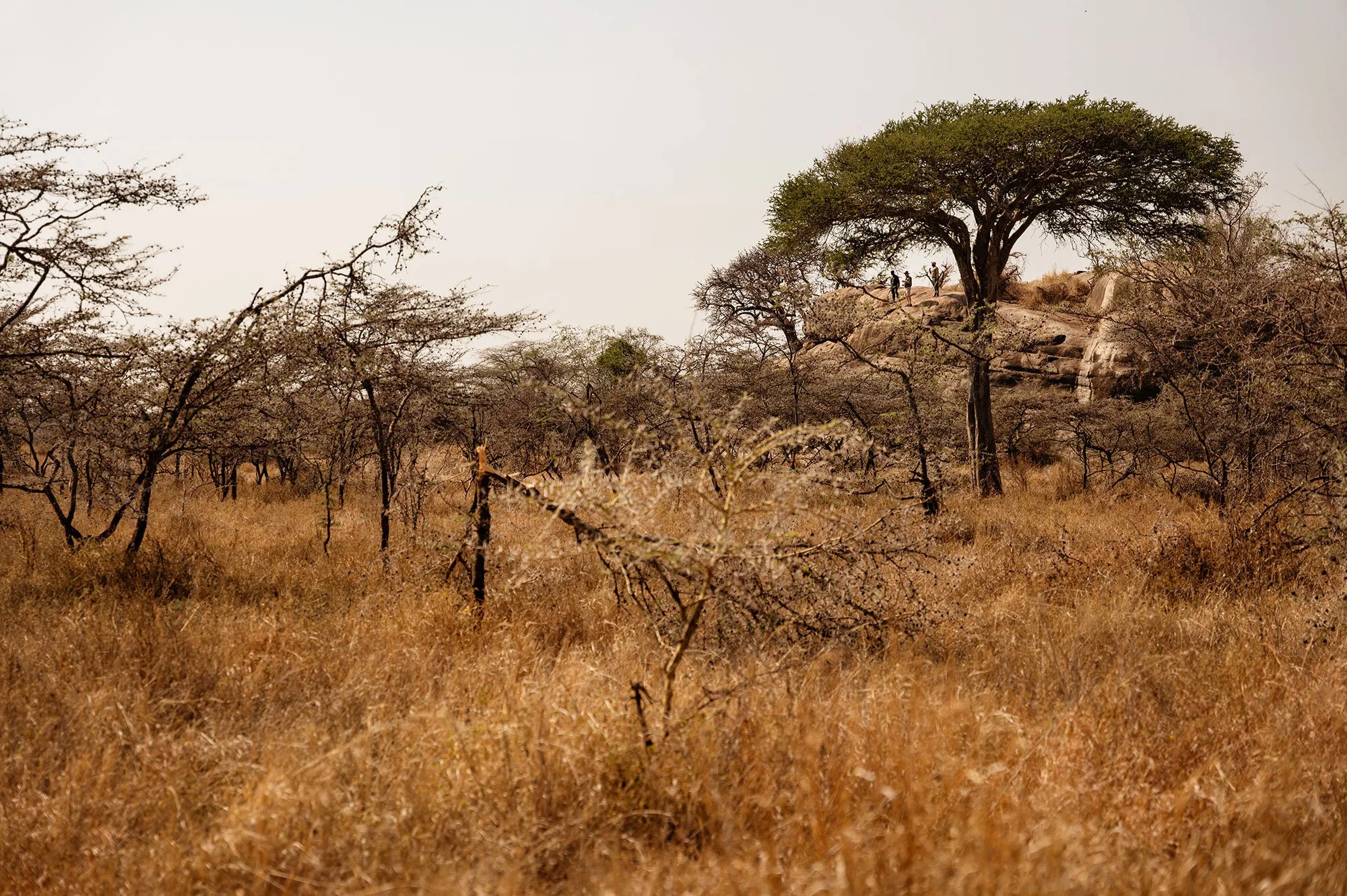
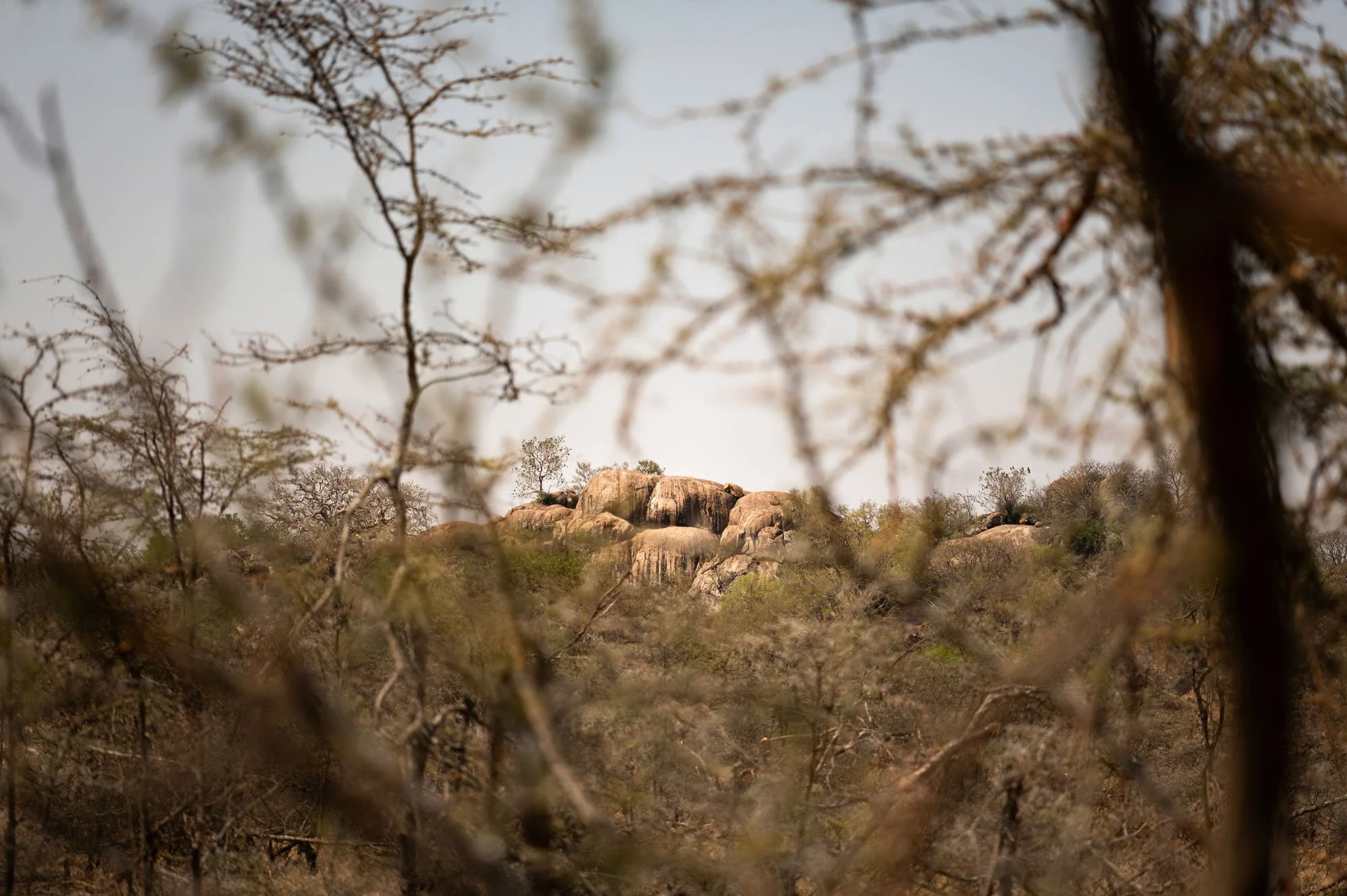
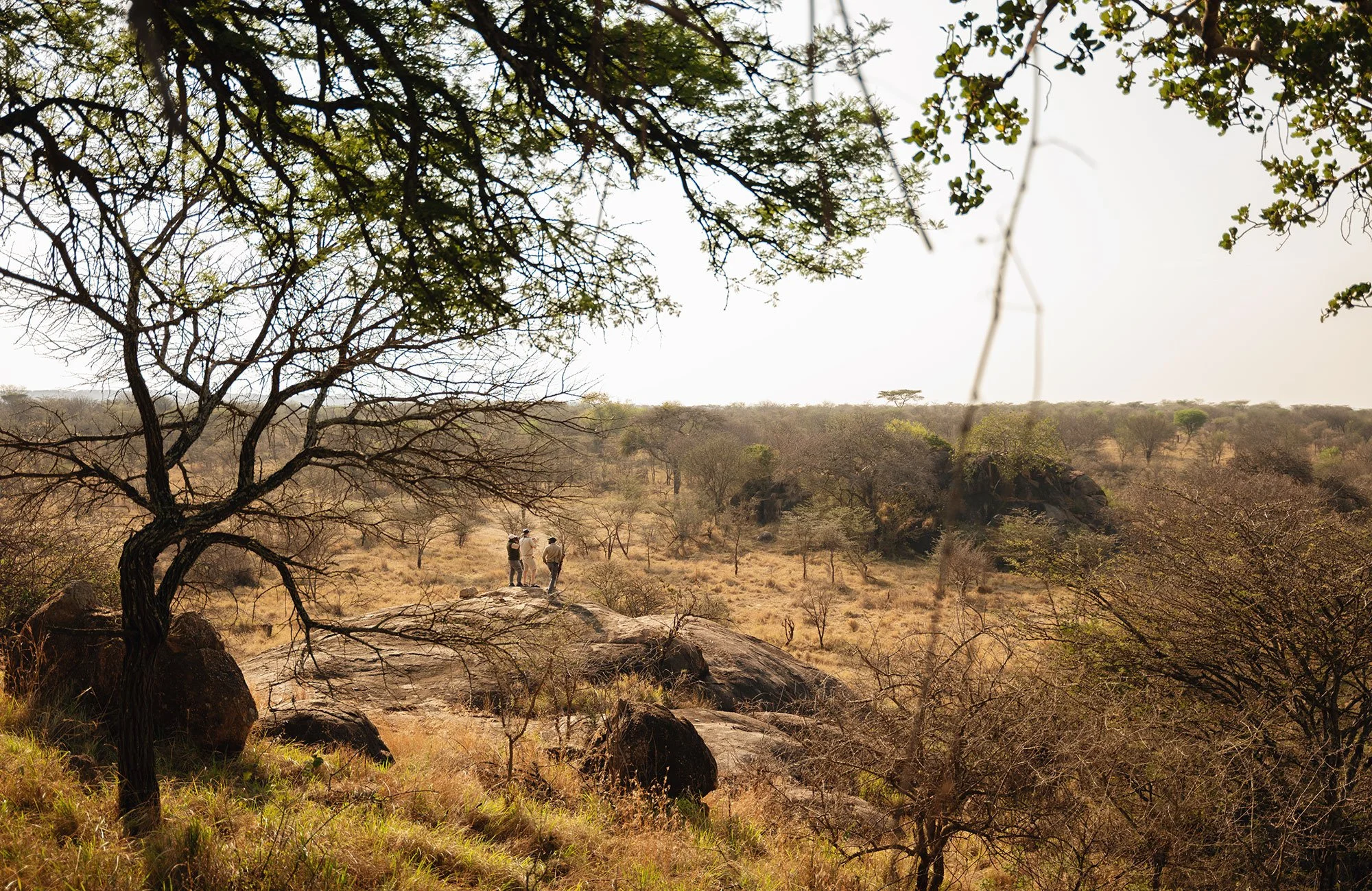
Kusini, in the southern Serengeti, is one of those places. It sits outside of the main, more well-travelled circuits and is an area full of high granite kopjes that rise out of the surrounding woodlands. Driving towards them, they hold your eye long before you arrive at the base. They look massive, they look ancient and sentinel, they have been there for millennia. When you reach them, you will see that they are full of living things: unique species found only in and around them, in hollows, cracks, rock pools carved by water over hundreds of years. Sit amongst them for long enough and they reveal mammals, birds, reptiles, insects, a landscape hidden away, until it isn’t. You then understand why they are often referred to as ‘the cities of the Serengeti’, these loose constellations of rocks, grasslands and so many living things.
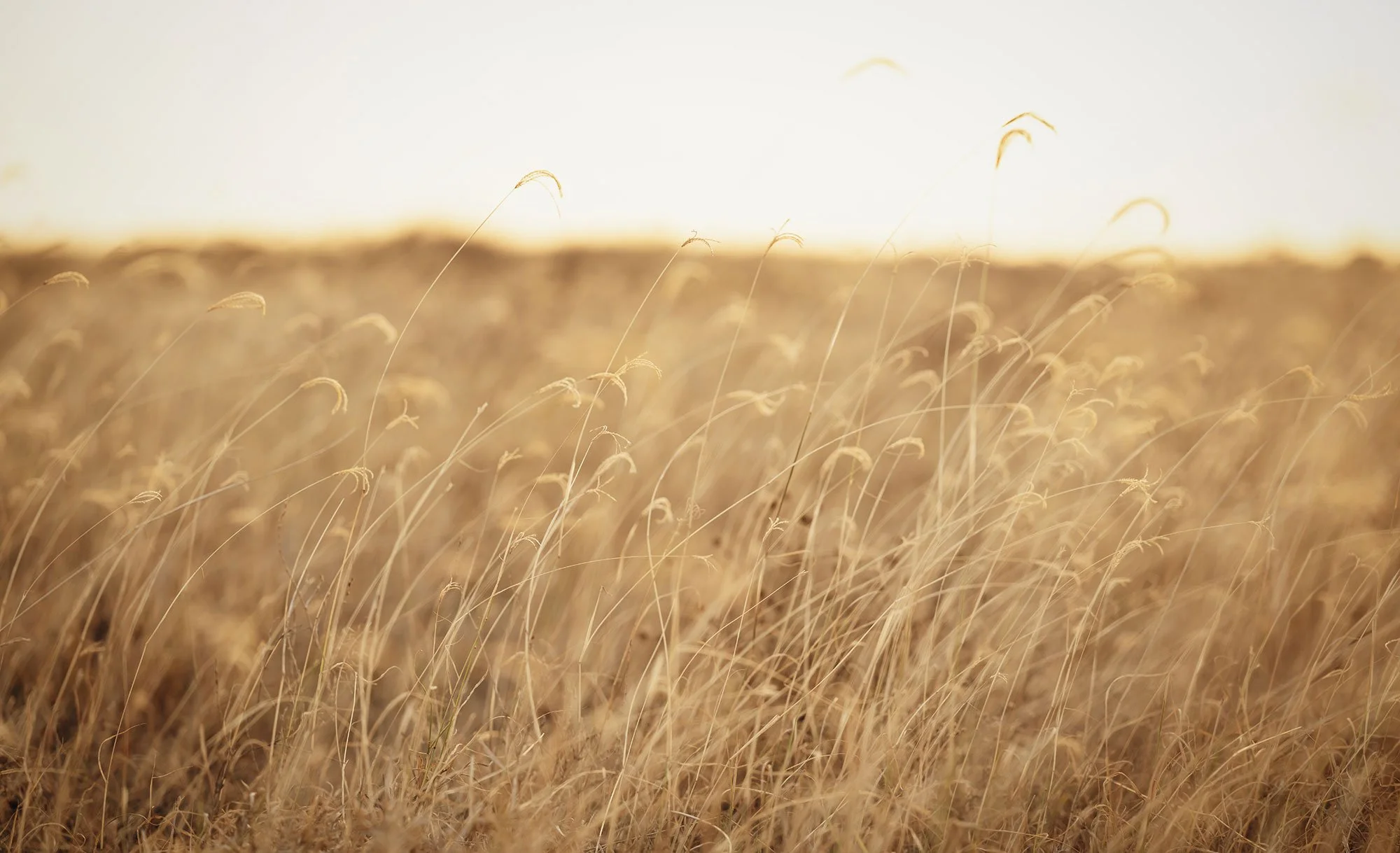
We’ve always had a soft spot for landscapes that are more visited by wildlife than by people, and Kusini gives you that sense immediately: huge, wild country, big skies, quiet roads, very few vehicles. This type of place allows everything to just get on with their own business, and it’s why we are there.
Documentary filmmaker Alan Root spent about two years in the southern and western Serengeti filming his documentary, Kopjes: Islands in a Sea of Grass, in which he recognised these granite islands for what they are: engines of biodiversity, lookout posts, predator dens, water catchments, a geological marvel from which life has formed.
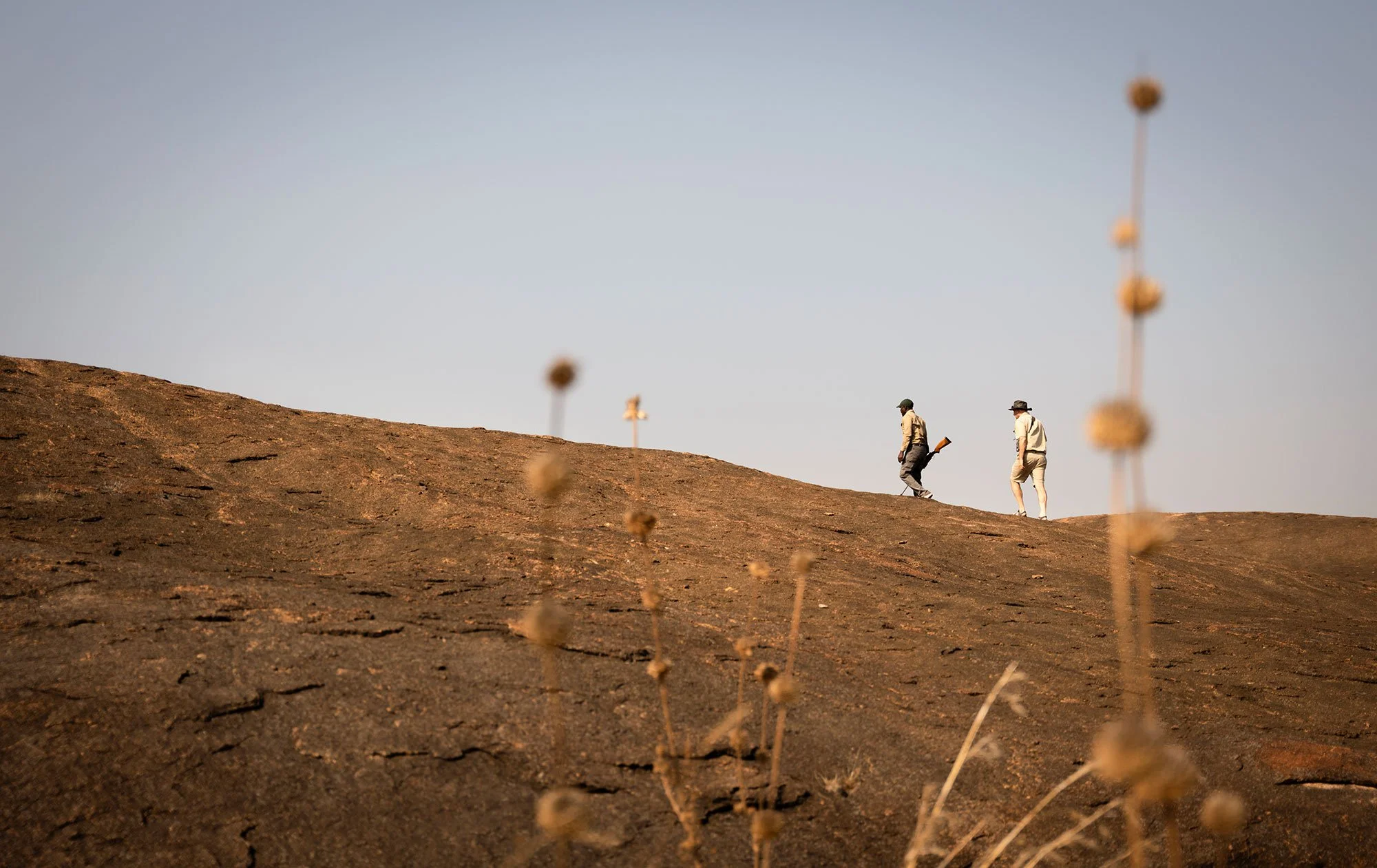
In his film, he wanders these landscapes, guiding us through, as if we were quietly walking behind him. You can see how he filmed the way he did, with curiosity and patience, telling the story of the kopjes as he found them. He spent time there, amongst them, as it is that which rewards and still does.
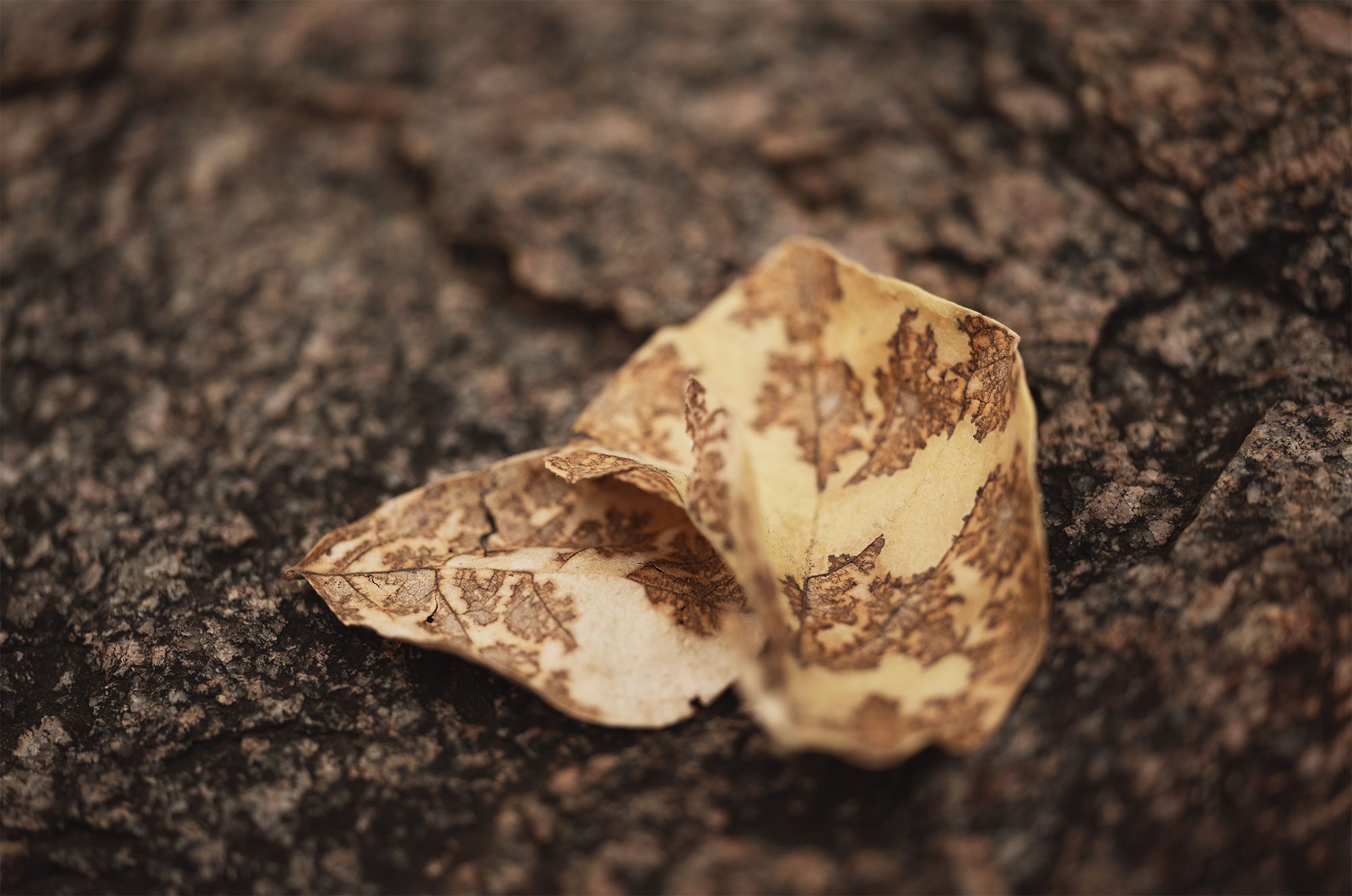
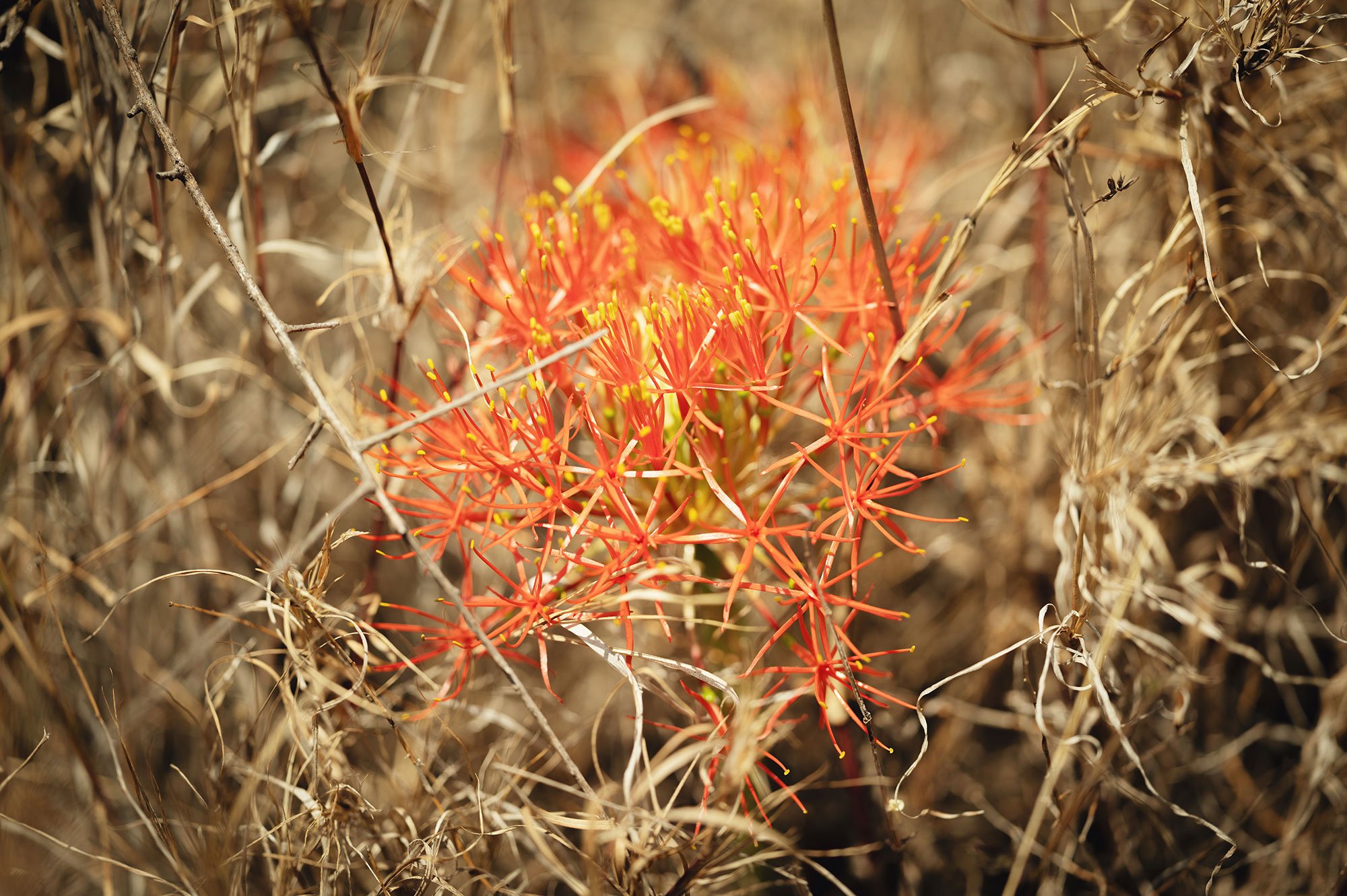
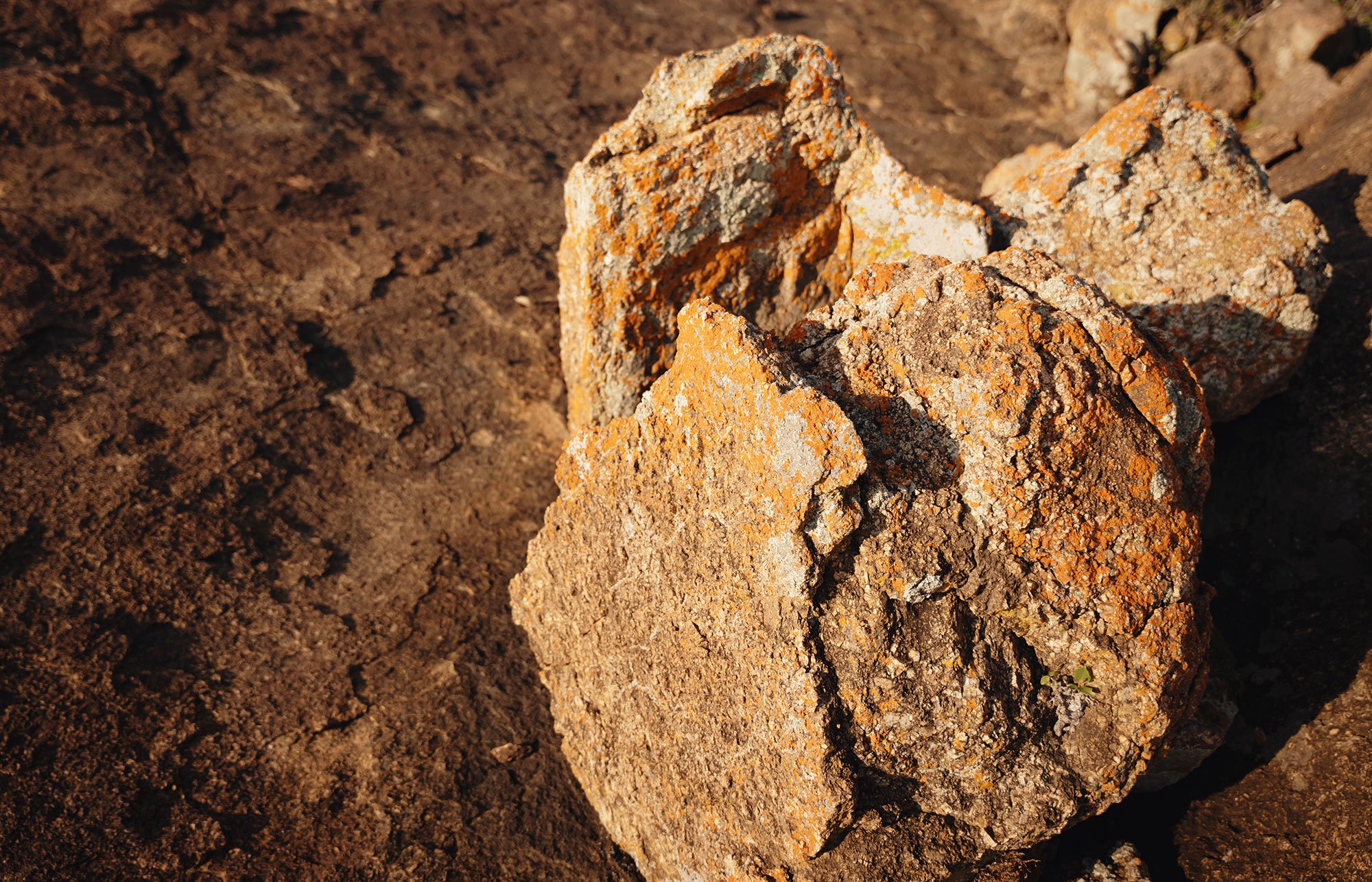
There’s something else that makes Kusini so interesting, which you notice only when you look down. Lying amongst the short grass, you can sometimes find small chips of obsidian, black, glassy, sharp-edged. A type of volcanic glass, beautiful in a functional way, that fractures into a perfect cutting edge. You can pick up a piece and roll it in your palm, surprised by how light it is, and how deliberate. It can lead you to question who held it before you and how did it get to where it is now.
It doesn’t belong here. There is no naturally occurring obsidian in the Serengeti. So someone brought it. Someone, thousands of years ago, carried it into this landscape, but why? For tools, trade, or something we don’t know. Which means that these kopjes, already ancient in geological terms, have human stories attached to them, long before we arrived on the scene.
But then why is that surprising? Migration is not new, movement is not a modern phenomenon. Wildebeest, people, tools…they’ve all moved. And perhaps in this area of rocks there are places where life gathered, paused, and then moved on again. It’s also a reminder that, whilst we spend a lot of time talking about true wilderness, these places were never really empty.
This is the kind of place that reminds us why we’re in this business, that there are still areas where you can operate quietly and lightly. But it also adds something to our bigger Nomad journey, a southern anchor-point to balance the north and an opening up of wider corridors in which to move. Ultimately, we go where we’d like to spend time ourselves. That has always been our formula, we step sideways to remind ourselves where we don’t want to be. Kusini felt like one of those places. There’s a long view from the kopjes and it’s not crowded, just grass, trees, animals, birds, and more kopjes.
To find out more about Kusini Serengeti and Nomad Tanzania